
Never had a smog check before? Or just been a while? It's straightforward. Here's everything you need to know so there are no surprises when you pull into our bay on South Broadway.
Your vehicle — sounds obvious, but your vehicle needs to be present and drivable. We can't inspect a car that's been towed in with a dead engine or one that won't start.
Your registration or DMV notice — bring your current vehicle registration card or the DMV renewal notice that tells you a smog check is required. This helps us pull up your vehicle in the state system quickly and accurately.
Payment — we accept cash, Visa, Mastercard, American Express, and Discover.
That's it. No special paperwork, no pre-registration forms. Just you, your car, and your registration.
Make sure your gas tank is at least one-quarter full — the test requires a minimum fuel level. And check your dashboard: if your check engine light is on, that's an automatic failure regardless of actual emissions. Get it diagnosed first, then come in for the smog test.
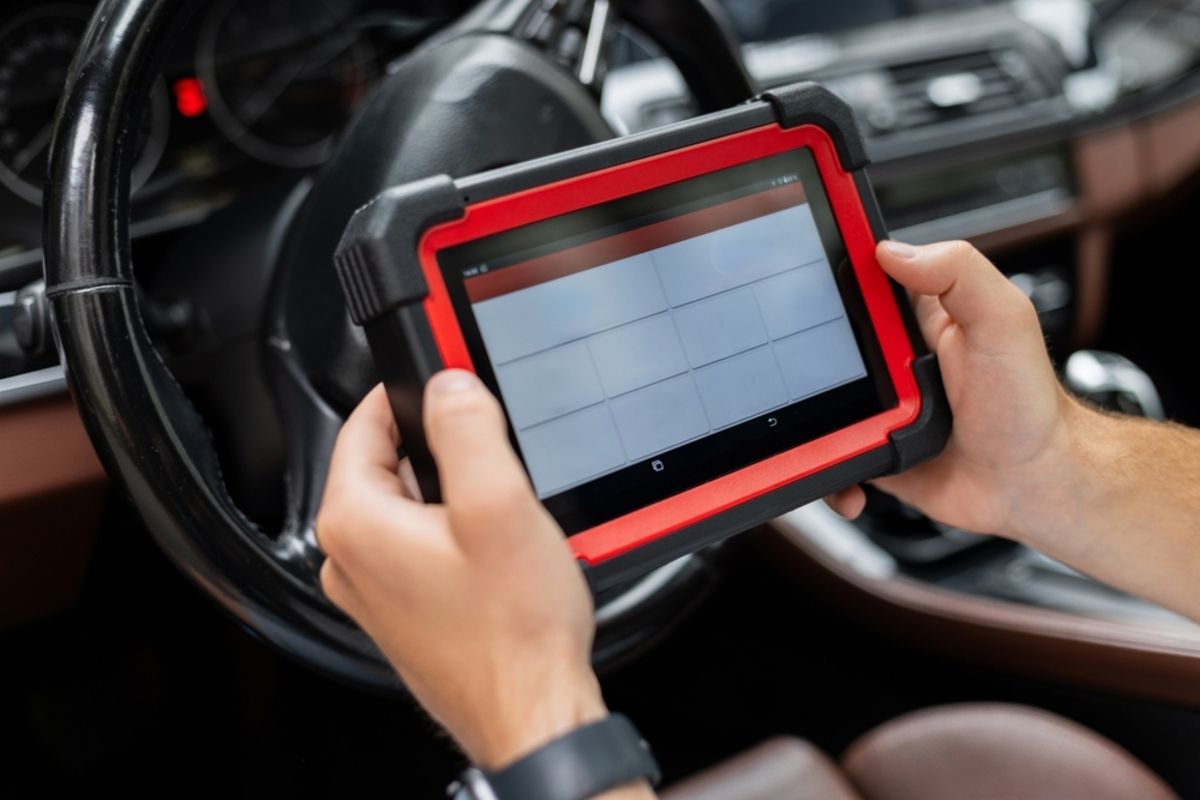
From the moment you pull in to the moment you drive away — here's exactly what happens.
Pull into our service lane or let the service advisor know you're here for a smog check. We'll verify your vehicle information and enter it into the state's testing system. If you booked an appointment online through Yocale, we'll already have your details ready to go.
Our technician starts with a visual check of your vehicle's emissions control components. They're looking at the catalytic converter, gas cap seal, vacuum hoses, EGR valve, and other parts that California requires to be present and properly connected. This takes just a few minutes.
For vehicles model year 2000 and newer, we connect to your vehicle's On-Board Diagnostic (OBD-II) port — it's located under the dashboard near the steering column. The state's testing equipment reads your vehicle's computer to check for emissions-related trouble codes and confirms that all readiness monitors have completed their self-tests.
Depending on your vehicle's year and type, we may also measure tailpipe emissions directly. A probe is placed in the exhaust pipe to measure levels of hydrocarbons, carbon monoxide, and nitrogen oxides. Older vehicles — particularly those from the 1990s and earlier — always get this test as part of their inspection.
The entire process typically takes about 15 minutes. If your vehicle passes, we file the smog certificate electronically with the California DMV — same day, no paper to mail. You'll receive a printed receipt for your records, and the DMV will have your results on file when you go to renew your registration online or at the Santa Maria field office on Foster Road.
First — take a breath. A failed smog check isn't the end of the world, and it happens more often than you'd think. Here's how we handle it:
Our technician will sit down with you and explain exactly what caused the failure. Common culprits include a faulty oxygen sensor, a worn catalytic converter, a loose or cracked gas cap, incomplete readiness monitors, or unresolved check engine light codes. Most of these are straightforward repairs.
Because we're a full-service Jiffy Lube Multicare location — not just a test-only smog station — we can often diagnose and fix the problem right here in our shop. Once the repair is complete, we re-test your vehicle on the spot. One stop, one visit, done.
If your smog-related repair costs exceed $500, you may qualify for California's Consumer Assistance Program. CAP offers financial assistance for repairs — or in some cases, a vehicle retirement and replacement option. Our team can help point you in the right direction, or visit bar.ca.gov for details.
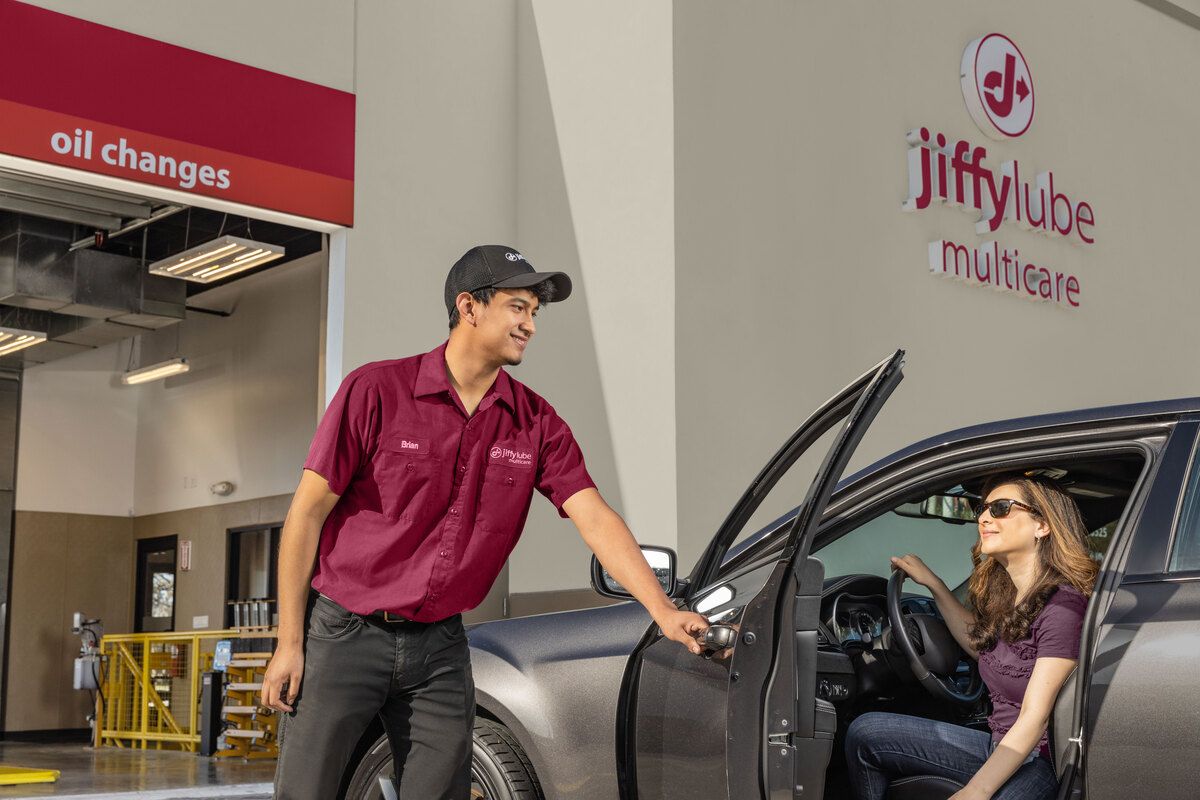
A little preparation goes a long way. These tips can help ensure your smog check goes smoothly on the first visit.
Drive your vehicle for at least 15 to 20 minutes before coming in. This warms up the engine and catalytic converter to their normal operating temperature, which is when they perform most efficiently. A cold start can produce higher emissions readings that don't reflect your vehicle's true condition.
If your check engine light is illuminated, get it diagnosed and repaired before your smog appointment. A lit check engine light is an automatic failure — the smog test won't even proceed to the emissions measurement phase. We can diagnose the light here if you're not sure what's causing it.
Vehicles that receive regular oil changes, fresh spark plugs, clean air filters, and proper fluid levels are significantly less likely to fail a smog check. If you're overdue on maintenance, consider getting caught up before your inspection — it could save you a failed test and a second visit.
Not at all. The inspection is completely non-invasive. We connect a diagnostic reader to a port that's already built into your vehicle, and we place a probe near the tailpipe to read emissions. Nothing is disassembled, nothing is modified, and your vehicle runs normally throughout the entire process.
Absolutely. Most people wait right here — we have a comfortable waiting area. Since the typical inspection takes about 15 minutes, it's usually quicker than running an errand and coming back. You're also welcome to wait in your vehicle if you prefer.
Disconnecting your battery resets your vehicle's onboard computer, including the readiness monitors that the smog test checks. If those monitors haven't completed their self-tests, you'll fail the inspection — not because your emissions are bad, but because the computer hasn't had enough drive time to verify everything. Drive your vehicle normally for 50 to 100 miles after a battery disconnect before coming in for a smog check.
Nope — we handle the paperwork. Your smog certificate is filed electronically with the DMV the same day. You can then renew your registration online at dmv.ca.gov, by phone, or at the Santa Maria DMV office on Foster Road. The DMV will already have your smog results on file.